Promotional Models vs. Atmosphere Models: What's the Difference?
Updated: Aug 21
The right event talent can make a guest feel welcomed, curious, impressed, and more connected to the experience. The wrong fit can leave a beautiful event feeling flat, or a strong brand activation feeling under-supported.
That is why the difference between promotional talent and atmosphere talent matters. These roles often get grouped together, especially in nightlife, hospitality, trade shows, conventions, private events, and experiential marketing. On the surface, both may look polished, outgoing, and camera-ready. In practice, they serve different goals.
Promotional models are hired to actively represent and promote a brand. Atmosphere models are hired to enhance the environment and experience of an event.
Both roles call for reliable, personable people who understand how to move through a room. The difference is what they are there to do.
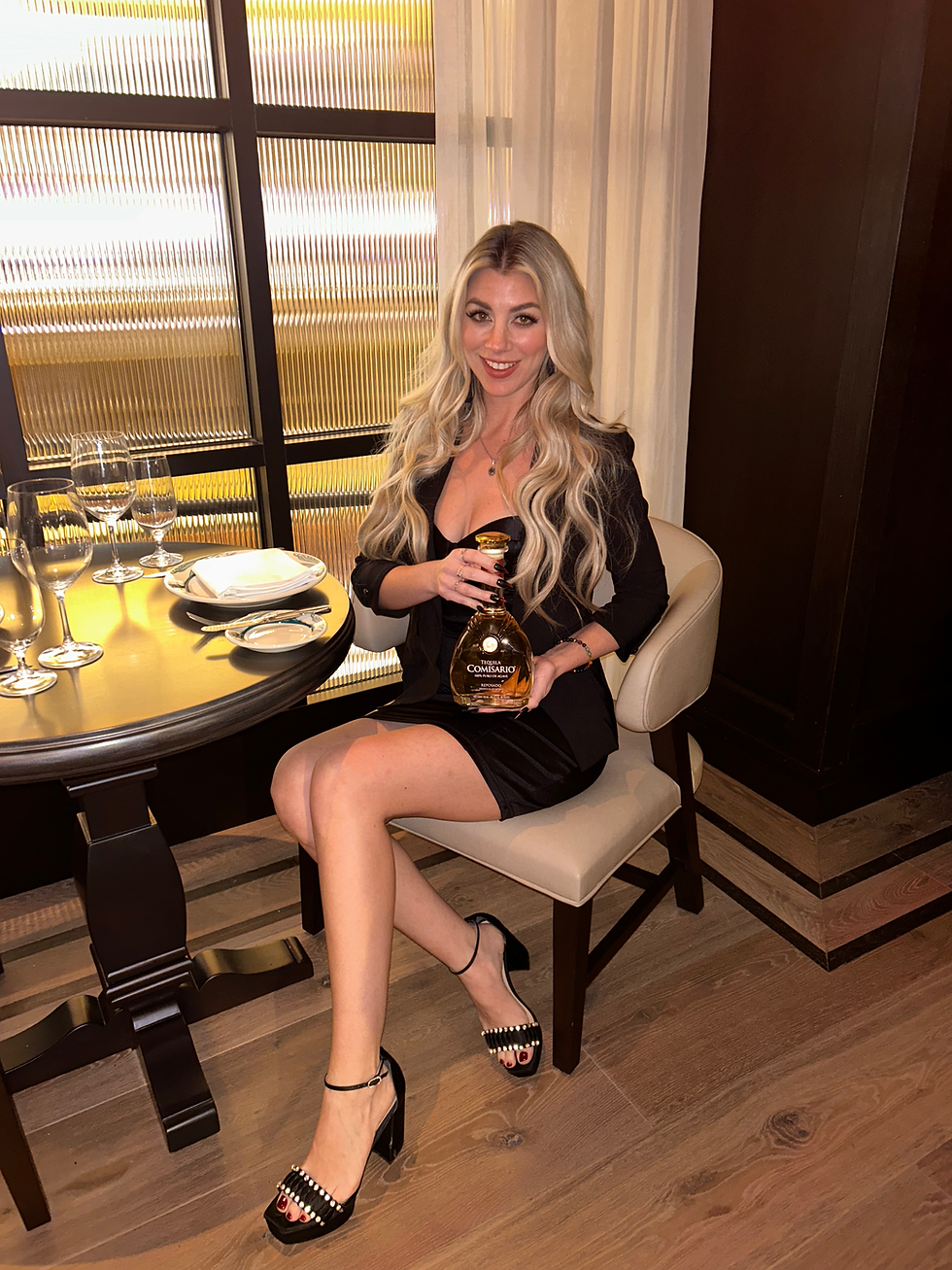
Promotional models actively represent the brand
Promotional talent is the right choice when the event has a clear message, product, service, or guest action tied to it. These professionals are not simply there to look good in the room. They are there to engage people, communicate key information, and help create measurable interaction.
A promotional model might:
Greet attendees at a trade show booth
Explain a product sample or service
Hand out giveaways or samples
Collect leads or scan badges
Encourage guests to enter a contest
Drive traffic to a display, demo, or activation
Represent a sponsor at a nightlife event
Answer basic brand questions from guests
This role requires confidence, warmth, and quick thinking. Promotional talent often needs to learn talking points, understand the guest flow, and adapt to different types of attendees. Some guests may be outgoing and curious. Others may need a quick, friendly opening line before they engage.
For brands and experiential marketing teams, promo talent becomes an extension of the campaign. They help turn a booth, launch, pop-up, or sampling station into a human experience.
That means casting matters. A great promotional model is not only polished. They are approachable, articulate, and comfortable starting conversations without being pushy. They can remember key details, stay upbeat during long shifts, and represent the brand in a way that feels natural.
For example, a beverage brand hosting a tasting event in Las Vegas may need promotional talent who can explain flavor notes, guide guests through a sampling process, and keep the area organized. A tech company at a convention may need talent who can qualify visitors, point them toward a demo, and keep traffic moving. A luxury product launch may need someone who can speak with confidence, maintain a refined tone, and read the room.
In each case, the goal is active engagement.
Atmosphere models enhance the room and the guest experience
Atmosphere talent plays a different role. Instead of promoting a specific product or message, atmosphere models help build the mood, energy, and style of an event.
They are often used in settings where the guest experience depends heavily on the room feeling full, elevated, social, and visually aligned with the event concept. Think upscale nightlife venues, grand openings, VIP events, private parties, casino events, luxury hospitality experiences, and high-end brand celebrations.
An atmosphere model might:
Welcome guests into a lounge or event space
Mingle naturally with attendees
Add energy to a VIP area
Support the look and feel of a themed event
Create a more social environment
Help a venue feel polished, stylish, and alive
Participate in light guest interaction without a formal sales role
The key difference is that atmosphere talent is not usually responsible for delivering a product pitch, collecting leads, or explaining campaign details. Their job is more subtle. They help shape how the event feels.
That does not make the role easier. In many ways, atmosphere casting requires a specific instinct. The best atmosphere talent knows how to be present without overpowering the event. They understand posture, movement, facial expression, guest awareness, and social cues. They can create warmth without forcing conversation.
At a Las Vegas nightclub, atmosphere talent may help a VIP section feel energetic and exclusive. At a luxury pool event, they may support a relaxed, stylish mood. At a private brand dinner, they may help fill the space with presence and natural interaction while keeping attention on the host, guests, and experience.
Atmosphere talent succeeds when the room feels better because they are in it, even if guests cannot point to one specific thing they did.

The main difference comes down to the event goal
The easiest way to decide between promotional talent and atmosphere talent is to start with the outcome.
If the event needs guests to learn, try, sign up, scan, sample, visit, or buy, promotional talent is usually the better fit.
If the event needs guests to feel welcomed, impressed, energized, relaxed, or immersed, atmosphere talent may be the stronger choice.
Here is a simple breakdown.
Promotional talent | Atmosphere talent |
Represents a brand, product, or sponsor | Enhances the look, mood, and energy of the event |
Starts conversations with a purpose | Mingles and interacts more naturally |
Shares key talking points | Supports the guest experience without a heavy script |
Drives traffic, samples, leads, or awareness | Creates presence, style, and social flow |
Works well for activations, expos, launches, trade shows, and sampling | Works well for nightlife, VIP events, private parties, hospitality, and high-end social events |
Many events need one or the other. Some need both.
A Las Vegas convention after-party, for example, might need promotional talent at the sponsor activation near the entrance and atmosphere talent inside the VIP lounge. A grand opening may need brand ambassadors greeting guests and explaining the experience, while atmosphere talent helps the room feel elevated once people are inside.
This is where an experienced casting partner can make a major difference. CR38IVE often looks beyond a job title and asks what the event actually needs from the talent. Is the priority interaction? Guest flow? Visual presence? Sampling? Venue energy? VIP hospitality? Photos? Product education? Once that is clear, the casting process becomes much more accurate.
Promotional talent needs strong communication skills
A promotional role is guest-facing in a direct way. The talent must be able to speak clearly, listen well, and keep the energy positive through the entire shift.
Strong promotional talent usually has:
Clear speaking skills
A warm, approachable presence
Good memory for brand details
Comfort with rejection or short interactions
Reliability and punctuality
Ability to stand for long periods
Awareness of booth or activation flow
Comfort following event instructions
This matters because promotional settings can be unpredictable. At a trade show, guests may arrive in waves. At a street team activation, the talent may need to engage strangers quickly. At a product sampling event, they need to explain the product while also managing supplies, guest questions, and timing.
A person can look perfect for an event and still be the wrong fit if they cannot communicate the message. That is why CR38IVE focuses on matching the personality and skill set to the role, not just the look.
For promotional work, casting should account for the audience. A liquor promotion in a nightlife venue has a different rhythm than a wellness product activation at a daytime festival. A convention booth has different expectations than a fashion launch. The best fit is the person who can meet the guest where they are.
This is also where search terms can get confusing. A company looking for promo models vegas may actually need trained brand ambassadors, bilingual event staff, or a hybrid team that can both attract attention and explain the offer. The title matters less than the job function.

Atmosphere talent needs presence and social awareness
Atmosphere work is less scripted, but it still requires skill. The talent must understand the tone of the event and know how to add to it without distracting from it.
Strong atmosphere talent usually has:
Natural confidence
Strong personal presentation
Social awareness
Comfort in upscale event settings
Ability to mingle without forcing interaction
Good movement and body language
Reliability and professionalism
An understanding of event etiquette
This is especially important in Las Vegas, where guests are used to high production value. Events often compete with restaurants, hotels, shows, nightlife, and private experiences that already set a high standard. The people in the room become part of that experience.
For a nightlife venue, atmosphere talent might help the room feel more social early in the evening. For a luxury event, they may help maintain a polished tone from arrival to close. For a themed party, they may support the visual concept and energy without turning the event into a performance unless that is part of the plan.
The best atmosphere casting feels intentional. Talent should match the room, the guest profile, the dress code, and the energy level. A high-energy pool party calls for a different presence than an intimate VIP dinner. A sleek casino event calls for a different tone than a playful product celebration.
This is one reason CR38IVE pays close attention to event type, timing, wardrobe direction, venue style, and audience. The right atmosphere team should feel like they belong in the environment, not like they were dropped into it.
Some events need a hybrid team
Many successful events use both promotional and atmosphere talent, especially when the experience has multiple zones or goals.
A hybrid staffing plan might include:
Promotional talent at check-in or a sponsor display
Brand ambassadors managing samples or guest questions
Atmosphere talent in lounge areas or VIP sections
Hosts guiding guests between spaces
Specialty talent for photo moments, themed interactions, or performances
This can work well for Las Vegas events because venues often have layered guest experiences. A single event may include arrival, photo opportunities, food and beverage service, sponsor activations, entertainment, and VIP hosting. Each area may need a different type of personality and skill set.
For example, a hotel grand opening might need promotional talent to guide guests through branded activations and atmosphere talent to keep the main party feeling social and refined. A convention networking event might need greeters who can check registrations, promotional talent who can explain sponsor offers, and atmosphere talent who helps the lounge feel lively before peak attendance.
The mistake is assuming one type of talent can automatically do everything. Some people can, and experienced casting teams know how to identify those rare hybrids. Still, the safest approach is to define each role clearly before booking.
That includes:
What the talent will do
Who they will interact with
What they need to say
What wardrobe is expected
Whether they will handle products, samples, or guest data
How active or subtle the role should be
What success looks like by the end of the event
Clear roles lead to better casting, better performance, and fewer surprises on-site.

How to decide what kind of talent to book
Before requesting talent, answer a few practical questions. These will help clarify whether promotional, atmosphere, or hybrid staffing makes the most sense.
What is the main purpose of the event?
If the purpose is product awareness, lead capture, tasting, sampling, sign-ups, or direct guest education, promotional talent should be part of the plan.
What do guests need to do?
If guests need to visit a booth, try a sample, receive instructions, or learn a message, choose talent with communication and activation experience.
How should the room feel?
If the priority is mood, energy, exclusivity, or visual cohesion, atmosphere talent may be the better fit.
How much talking is required?
A scripted or semi-scripted role points toward promotional talent. A lighter social role points toward atmosphere talent.
What kind of venue is hosting the event?
A convention floor, retail pop-up, or product launch often needs promotion. A nightclub, hotel lounge, private party, or VIP suite may need atmosphere. Some venues need both.
What does success look like?
If success is measured by leads, samples, scans, or conversations, book promotional talent. If success is measured by guest experience, room energy, and event presentation, book atmosphere talent.
The more specific the answers, the better the casting. A vague request for “event models” can lead to a team that looks right but misses the job. A clear request for talent who can greet VIP guests, hold conversation, support a sponsor tasting, or elevate a lounge gives the casting team something useful to work with.
CR38IVE approaches talent booking this way because event staffing is never one-size-fits-all. A polished look matters, but it is only one part of the decision. The right match depends on the event goal, guest profile, venue style, schedule, and the level of interaction required.
For brands, planners, venues, and experiential teams, that difference can affect the entire event.
The takeaway for your next event
Promotional talent and atmosphere talent both play valuable roles, but they are not interchangeable.
Choose promotional talent when the event needs active brand representation, product education, sampling, guest engagement, lead capture, or traffic-building.
Choose atmosphere talent when the event needs elevated energy, social presence, visual polish, and a stronger guest experience.
Choose a hybrid team when different areas of the event have different goals.
The best results come from defining the job before casting the person. When the role is clear, the talent can show up prepared, confident, and aligned with the experience you want to create. That is where CR38IVE’s casting expertise helps, matching the right people to the right events so the final result feels intentional from the first guest arrival to the last moment of the night.
Comments